Healthy eating after 40 comes with its own set of challenges and questions. As metabolism slows, hormones start acting up, and lifestyle routines get busier or a bit more sedentary, figuring out what to eat and how to keep food both nourishing and tasty becomes a balancing act. Over the years, I’ve noticed that a few simple changes make a big difference, and making the right food choices can really boost how you feel every single day. The good news: it’s never too late to adjust habits and enjoy the positive changes good food brings.
Why Eating Well Matters More Over 40
Once you hit your 40s, your body starts to behave a little differently compared to your 20s or 30s. Muscle mass naturally begins to dip each decade, and a slower metabolism means calories don’t burn off as quickly. Hormonal changes, like shifting estrogen levels for women or decreasing testosterone for men, also play a role in how the body processes food. These factors add up—nutrition needs change and what worked before might not cut it anymore.
Paying attention to what goes on your plate is crucial for keeping your energy up, supporting heart health, maintaining muscle, and managing weight. Making mindful food choices also gives your bones support, which is especially important as the years go by. Plus, eating well helps smooth out mood swings and supports your cognitive skills, which really matter when life’s responsibilities keep piling up.
On a bigger scale, healthy eating helps cut down risks of chronic conditions such as heart disease, diabetes, and high blood pressure—which become more common after 40. Getting the right nutrients isn’t just about feeling good today; it’s about setting yourself up for a vibrant and active tomorrow.
What Nutrition Looks Like: Key Nutrients to Focus On
Building a diet that works after 40 isn’t just about eating less; it’s mostly about choosing foods that really deliver on nutrients. Paying closer attention to certain foods makes a big difference. Here are some key nutrients worth extra focus after 40:
- Protein: Getting enough protein is crucial for preserving muscle mass. Good choices include eggs, lean meats, fish, Greek yogurt, legumes, tofu, and tempeh.
- Calcium and Vitamin D: These two team up to help maintain bone density. Dairy, leafy greens, fortified milk alternatives, and canned salmon or sardines with bones offer a good mix.
- Fiber: Whole grains, beans, fruits, and veggies support digestion and keep cholesterol in check.
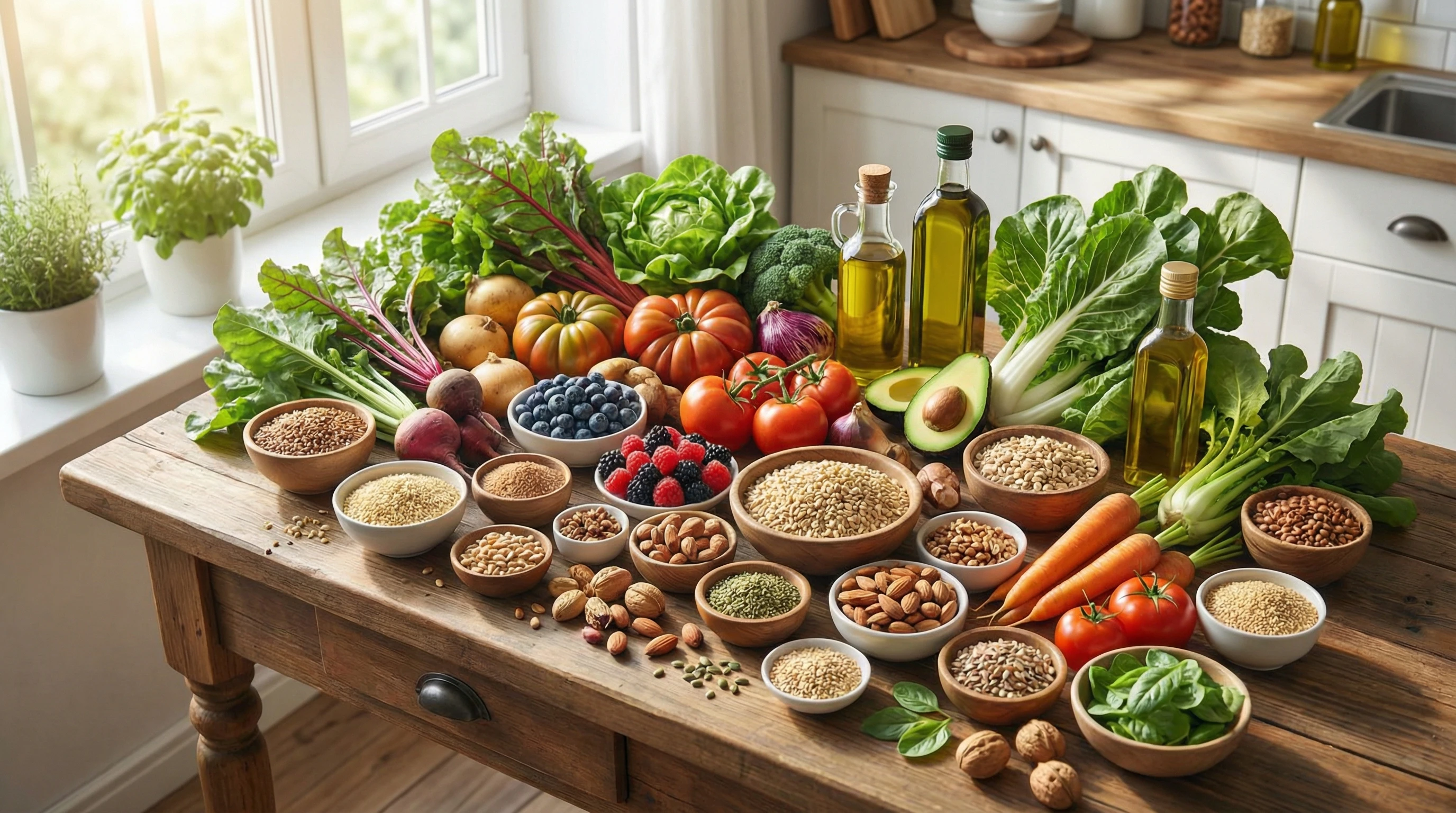
- Healthy Fats: Avocado, nuts, seeds, olive oil, and fatty fish (like salmon or sardines) help your heart and brain stay strong.
- Antioxidants: These protect your body from oxidative stress. Look for berries, spinach, kale, peppers, and green tea to bring even more nutrition to the table.
I keep an eye on getting enough magnesium, potassium, and vitamin B12, too, because those start playing a bigger part as the years go by. Swapping out white rice for quinoa, or adding chia seeds to your breakfast, adds a powerful punch of nutrition with almost no extra effort. These tweaks help you cover nutritional bases without feeling deprived.
Practical Eating Habits That Actually Work
Eating healthy over 40 doesn’t mean turning your routine upside down overnight. From my own experience and feedback from others, small, steady changes tend to last longer than any dramatic overhaul. Below are some habits that are both practical and effective:
- Plan Ahead: Meal planning—even just for a couple days—makes a huge difference in steering clear of random snack attacks or speedy takeout meals.
- Watch Portions: Serving food on slightly smaller plates or bowls can make portions look bigger and help keep your appetite in check.
- Balance Every Plate: Try filling half your plate with vegetables or fruit, a quarter with lean protein, and the rest with whole grains. This approach keeps meals balanced without much extra thought.
- Snack Smart: Swap chips or sweets for nuts, fruit, Greek yogurt, or sliced veggies with hummus—your energy and mood will thank you.
- Eat Mindfully: Slowing down during meals and really tasting your food can help prevent overeating and let you enjoy every bite.
Switching up your usual meals to include more veggies, cutting down on added sugars, or opting for natural snacks over processed options is more doable than it sounds. For instance, stashing baby carrots and roasted almonds at my desk gives me an easy, nourishing snack for that inevitable afternoon energy slump—without having to resort to candy bars or soda.
Challenges That Pop Up, and What to Do About Them
Eating healthy can get tricky after 40. Life’s routines, time crunches, cravings, and social pressures can jumble even the best plans. Here are some common hurdles and hacks I lean on for staying on track:
- Busy Schedules: Meal prepping on weekends saves major time during extra-hectic weekdays and keeps you from reaching for quick, less nutritious options.
- Low Energy: If you’re feeling drained, focus on iron-rich foods like beans, paired with vitamin C-rich choices for better absorption, and remember to hydrate through the day.
- Dining Out: Checking menus ahead of time or sharing dishes with a friend helps keep meals on the lighter side and is often easier on your wallet.
- Cravings: Keeping healthier treats on hand, like a square of dark chocolate or yogurt with berries, makes it a lot easier to stick with your goals when a sugar urge strikes.
- Changing Taste Buds: Taste buds can change as the years pass, so embrace new seasonings, herbs, or even entirely different cuisines. Mixing things up brings excitement back to healthy meals.
When it comes to holidays or special events, planning helps—sometimes you just do your best and move on. Just remember, one meal off-plan doesn’t erase months of good choices. Stick with it, and consistency wins.
Portion Control
Believe it or not, food portions have quietly gotten larger over the years, making it easy to eat more than you realize. Using smaller bowls or plates helps portions feel satisfying without going overboard. Eating out? Consider splitting your meal or boxing up half before you start eating—this keeps portions in check and can stretch your food (and your dollar) further.
Getting Enough Fiber
Fiber is easy to overlook but is crucial for digestion, blood sugar control, and feeling fuller for longer. Oats, whole fruits (skip the juice), beans, seeds, and whole grain breads or cereals are excellent sources. Try sprinkling flaxseed or chia into yogurt, smoothies, or salads for a simple fiber pump up. Small changes add up quickly.
Hydration
Drinking enough water is simple but often forgotten. As we get older, the body isn’t as good at signaling thirst, so it’s easy to miss. Keeping a reusable water bottle on hand, or infusing your water with citrus or berries, can make it more appealing. Herbal teas are another way to stay hydrated, and they’re a great swap for sugary drinks like soda.
Simple Ways to Get More Nutrients Every Day
Adding nutrients to your meals doesn’t need to be complicated. Here are some easy strategies I, and many friends, swear by:
- Batch Cooking: Preparing soups, chili, or hearty stirfries in big pots sets you up for fast, nutritious meals throughout the week. Leftovers save time and reduce temptation to grab fast food.
- Keep Healthy Staples Close: Having canned beans, bags of frozen veggies, and various grains on hand makes quick, healthy meals easier, even when you’re tired or busy.
- Daily Salads or Smoothies: Starting lunch with a salad or blending fruit and spinach into a morning smoothie is an easy way to add several servings of produce each day.
- Try New Flavors: Experimenting with fresh herbs, tangy citrus, or different spices can make simple, healthy dishes much more exciting and satisfying.
With a bit of planning and willingness to try new combinations, healthy eating can be practical and delicious—no fancy chef skills needed. Cooking with friends or family can make it enjoyable and even spark some new family favorites along the way.
RealWorld Diet Examples for Over 40
Sometimes it’s best to see exactly what healthy eating looks like, so here are meal ideas I’ve found especially helpful:
- Breakfast: Overnight oats mixed with chia seeds, nuts, blueberries, and a spoonful of almond butter.
- Lunch: Spinach salad topped with grilled chicken, chickpeas, roasted sweet potato, a little feta, and a squeeze of lemon for flavor.
- Dinner: Baked salmon with a side of quinoa and steamed broccoli, or a stirfry loaded with tofu and seasonal vegetables.
- Snack: Plain Greek yogurt with berries; raw veggies with hummus; a handful of roasted nuts and a clementine.
These meals are easy to customize for taste and dietary preferences. Having a few reliable go-to meals makes healthy eating almost automatic and helps reduce daily decision fatigue.
Frequently Asked Questions
Trying to eat better in your 40s often sparks some common questions. Here are answers to the ones I hear most often:
Question: How much protein do I need after 40?
Answer: Most people need about 0.36 to 0.6 grams per pound of body weight per day, depending on physical activity. Having some form of lean protein at each meal usually covers your needs.
Question: Is it harder to lose weight over 40?
Answer: It can take more time because metabolism slows with age, but balanced meals, watching your portions, and regular movement still work. Being consistent is the real game changer.
Question: Should I take supplements?
Answer: Whole foods should be the main focus, but some people over 40 do need extra vitamin D, B12, or calcium. It’s a good idea to check with a doctor or dietitian to figure out what you really need.
Final Thoughts
Giving your eating habits a boost after 40 is about tuning into what your body needs now and making reachable, sustainable tweaks that fit into real life. Adding more colorful foods to your meals, experimenting with whole grains, and minimizing processed snacks can turn every plate into a health upgrade.
Staying flexible, listening to your body’s cues, and building habits that work with your lifestyle makes this adventure both satisfying and doable. Remember—every meal is your next chance to give your body nourishment and energy for the days ahead.